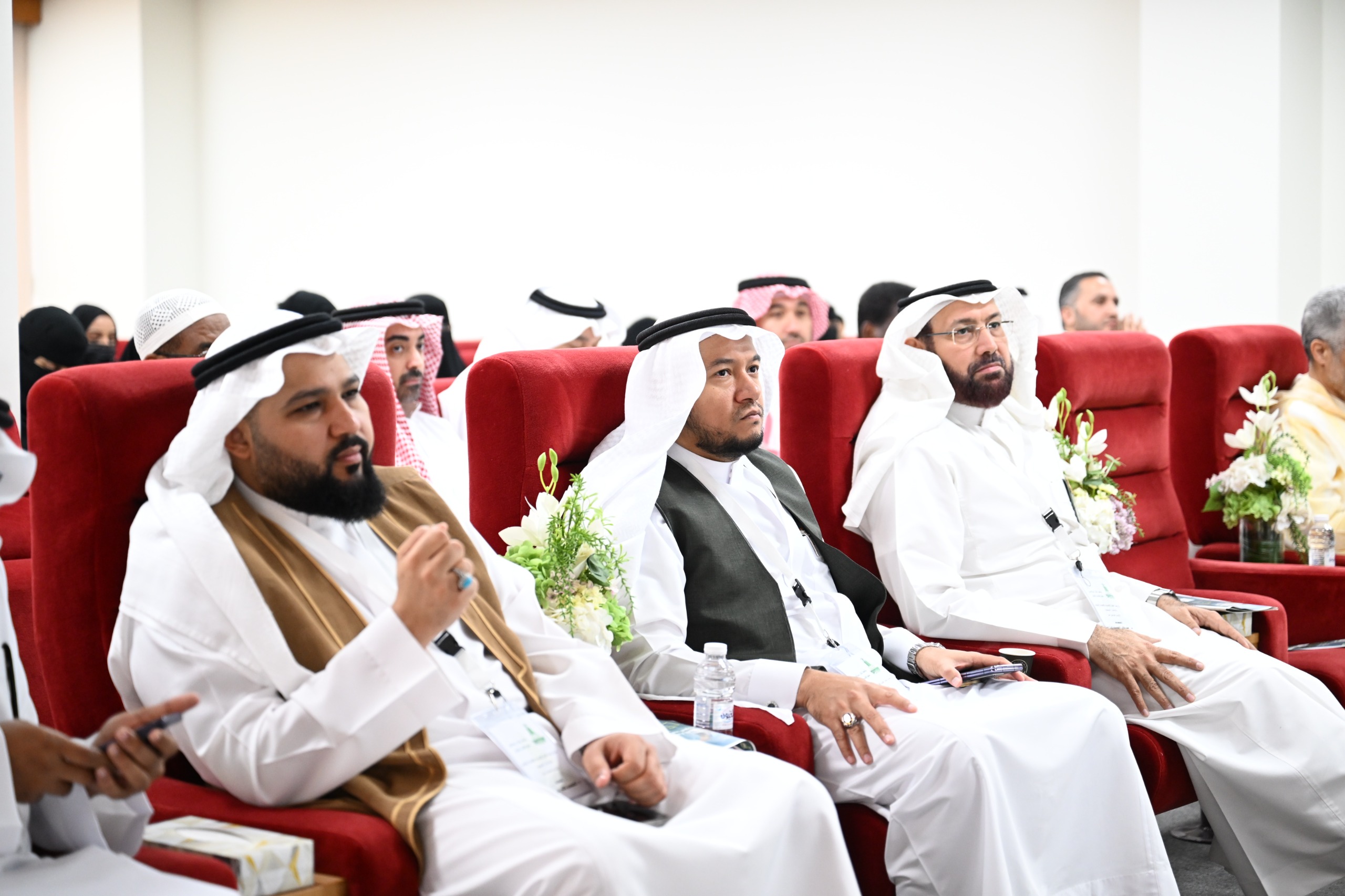
King Abdulaziz University hosted the 16th Meeting of Economics and Islamic
Economics Department Chairs at Saudi Universities on Thursday, April 30, 2026, at
the Islamic Economics Institute. The meeting discussed ways to address academic
departments’ needs in developing curricula and textbooks.
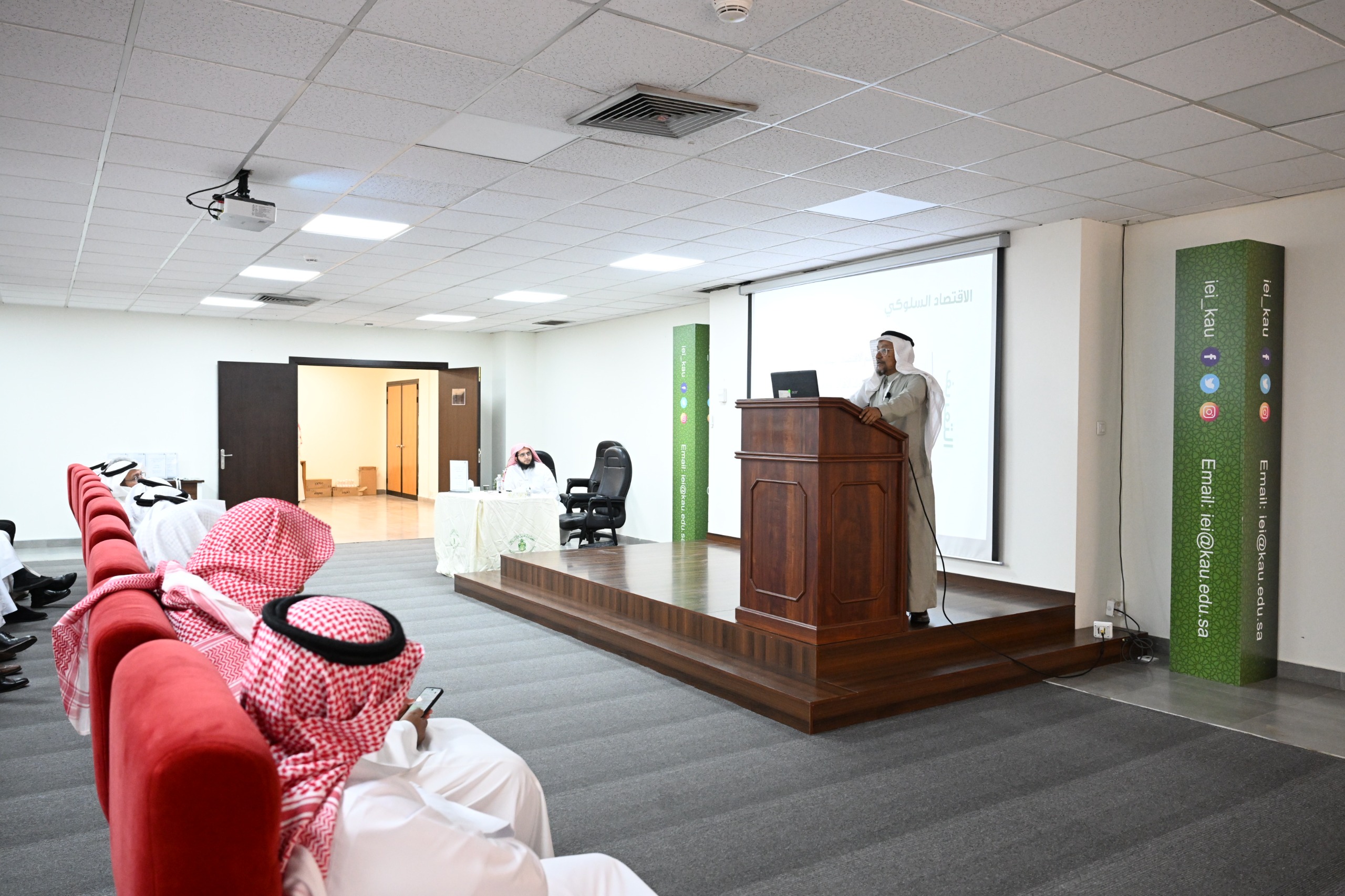
The gathering featured six academic sessions on key topics in economics and
Islamic finance. These included Islamic behavioral economics and finance: theory
and applications; Al-Imad fi Fiqh Al-Iqtisad; and personal financial management: a
comprehensive guide to management, planning, investment, and financial literacy.
Other sessions focused on developing Islamic finance curricula to keep pace with
green sukuk and sustainability from a foundational and analytical perspective in light
of Saudi Vision 2030, presenting a new model for skills development in higher
education, and proposing a table of contents for a corporate finance textbook from an
Islamic perspective.
The sessions brought together a distinguished group of expert speakers and
specialists, including Professor Abdulrahim Al-Saati, Dr. Omar Hafez, Dr. Adnan Al-
Khayari, Dr. Ahmad Al-Sarayrah, Professor Abderrazak Belabbas, and Dr. Al-
Mu’tasim Billah Allam. They were moderated by Dr. Abdullah Al-Otaibi, Professor
Ahmed Belouafi, Dr. Hisham Hamzah, Dr. Abdulrahman Al-Amoudi, and Dr.
Abdulhadi Tashkandi.
Dean of the Islamic Economics Institute at King Abdulaziz University, Dr. Al-Baraa bin
Abdullah Abu Laban, explained that the meeting aimed to discuss relevant curricular
textbooks and strengthen academic grounding by promoting dialogue on the latest
developments in Islamic economics and finance.
He added that the meeting also sought to support the labor market by presenting a
field study and assessing the alignment of academic curricula with the requirements
of the financial and Islamic finance sectors. This included examining the extent to
which educational outcomes meet the needs of Islamic banks and financing
companies, as well as identifying challenges facing graduate employment and
mechanisms to strengthen graduates’ presence in the market.
In her remarks, Vice Dean of the Islamic Economics Institute, Dr. Alaa bint Bakr Al-
Sheikh, emphasized that the meeting’s role goes beyond discussing ongoing work.
Rather, it serves as a genuine platform for integrating perspectives, unifying efforts,
and enhancing the quality of academic and administrative performance.
She noted that through this meeting, “we revisit our current reality, anticipate our
future, and build on our achievements in a way that fulfills the aspirations of our
university and aligns with the objectives of Saudi Vision 2030, particularly in the
areas of financial sector development, the promotion of Islamic economics, and
knowledge building.”